
1. Intense Competition in the Market
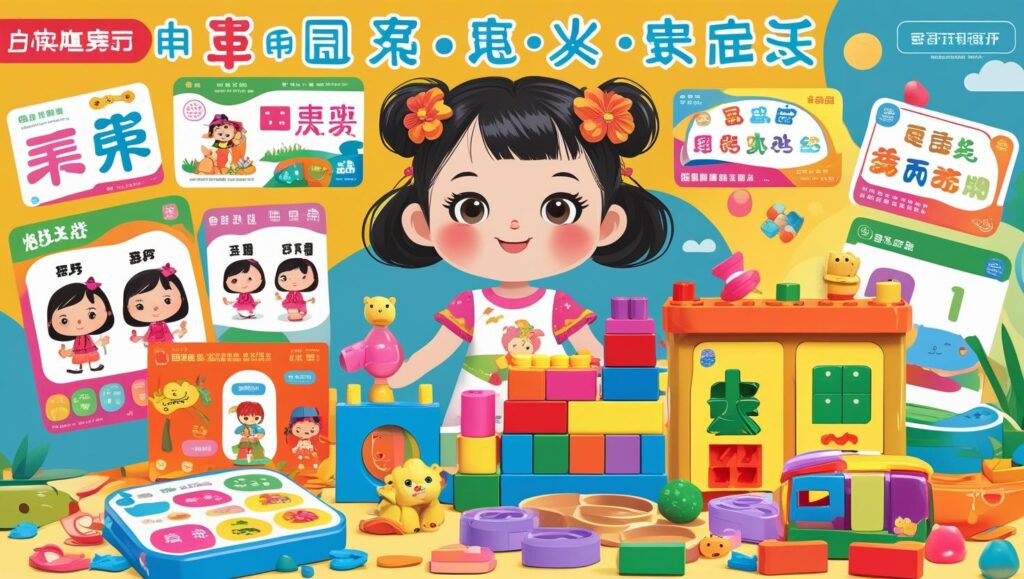
The Learning kits for your kids no.1 growth is first major hurdle is the sheer amount of competition. With the rise of e-commerce platforms and growing parental interest in early childhood education, the market is flooded with brands offering similar promises—fun, engaging, and educational kits. New players are constantly entering the space, making it hard for businesses to differentiate themselves. Established toy companies and global education brands already dominate market share, leaving smaller startups to fight for visibility.
To stand out, business owners must focus on branding, storytelling, and product innovation. But this requires significant investment in design, marketing, and research—all of which can stretch resources thin.
2. The Challenge of Customer Acquisition
Learning kits for your kids no.1 growth Reaching and convincing parents, teachers, and institutions to purchase educational learning kits for your kids no.1 growth is another uphill task. Parents are often skeptical about the real value these kits provide. Many worry whether the activities are genuinely educational, age-appropriate, or just fancy toys with a higher price tag. Moreover, customer acquisition costs (CAC) in this space are high because most businesses rely heavily on digital ads, influencer campaigns, and online promotions.
Converting a parent into a first-time buyer requires extensive marketing effort, customer testimonials, and trust-building. And without repeat purchases, the cost of acquiring new customers quickly outweighs the revenue.
3. Balancing Price and Quality
One of the most complex challenges is striking the right balance between affordability and quality. Learning kits for your kids no.1 growth On one hand, parents demand safe, durable, and premium-quality materials. On the other, they expect affordable pricing—especially in price-sensitive markets like India and Southeast Asia. High-quality materials, non-toxic paints, eco-friendly packaging, and certified safety standards come at a cost.
Many businesses like learning kits for your kids n0.1 growth either compromise on quality to keep prices low or set premium prices that restrict their customer base. Finding the sweet spot is tricky, particularly when competing against cheaper, mass-produced alternatives.
4. Curriculum Alignment and Educational Value
Parents and schools expect educational learning kits for your kids no.1 growth to support structured learning. That means the activities should align with child development milestones, early education curriculums, and skill-building frameworks like STEM (Science, Technology, Engineering, Mathematics). Creating kits that balance fun with genuine learning outcomes requires collaboration with educators, child psychologists, and curriculum designers.
Without clear alignment, learning kits for your kids no.1 growth risk being dismissed as mere entertainment rather than tools that enhance cognitive and motor skills. Maintaining educational credibility is an ongoing challenge for business owners.
5. The Need for Constant Innovation
Unlike toys that may stay popular for years, educational learning kits for your kids no.1 growth have a shorter lifecycle. Children grow quickly, and their learning needs evolve at every stage. What works for a four-year-old will not engage a seven-year-old. This forces companies to constantly innovate, update content, and design new kits that address different age groups, skills, and themes.
Innovation also involves staying ahead of trends like STEM kits, robotics, coding, and eco-friendly activities. Failing to innovate leads to stagnation, while continuous product development requires significant investment in R&D and design.
6. Supply Chain and Logistics Problems
Educational learning kits for your kids no.1 growth often involve multiple components—books, craft supplies, toys, puzzles, digital guides, and more. Coordinating the production and assembly of these components creates complex supply chain challenges. Sourcing safe, child-friendly raw materials is not always easy, and businesses often face delays from suppliers.
On top of that, shipping educational kits requires sturdy, eco-friendly packaging that prevents damage in transit. High logistics costs, coupled with the risk of damaged products, returns, or delayed deliveries, can eat into profit margins.
7. Ensuring Safety and Quality Standards
Children’s products are governed by strict safety regulations. Business owners must ensure that every material used is non-toxic, safe for children, and compliant with international toy safety standards. Small parts that pose choking hazards, sharp edges, and harmful chemicals can result in recalls, lawsuits, and reputational damage.
Maintaining consistent quality across mass production runs is also challenging. While small batches may be easy to monitor, scaling up often introduces errors, defects, or inconsistencies.
8. Retaining Customers and Encouraging Repeat Purchases
Unlike daily consumables, educational learning kits for your kidsno.1 growth are not a necessity. Parents may buy one or two kits but may not always return for more unless the experience is exceptional. Customer retention requires businesses to continuously engage families through subscription models, seasonal launches, or personalized recommendations.
The challenge is to keep the excitement alive. Without strong retention strategies, businesses risk relying too heavily on first-time buyers, which is unsustainable in the long run.
9. The Struggle Against Digital Learning Alternatives
The rise of EdTech platforms, apps, and online classes presents a major challenge. Many parents prefer digital subscriptions because they appear cost-effective, easily accessible, and engaging with interactive content. Educational learning kits for your kids no.1 growth must therefore compete with the convenience and variety offered by screens.
Convincing parents about the benefits of hands-on learning—such as creativity, motor skills, and reduced screen time—is an ongoing marketing battle. Striking the right balance between physical kits and digital integration is essential but difficult.
10. Financial Management and Sustainability Pressure
Running an educational learning kit for your kids no.1 growth business requires significant upfront investment—product design, manufacturing, packaging, marketing, and distribution all demand capital. Managing cash flow is a constant headache for small businesses, especially when customer demand is seasonal, such as during back-to-school periods or holidays.
Additionally, there is growing consumer pressure to adopt eco-friendly practices. Parents are becoming more environmentally conscious and expect sustainable packaging and recyclable materials. While this is a positive shift, it also increases production costs, creating another layer of financial strain.
Conclusion
The educational learning kits for your kids no.1 growth industry is full of opportunities, but it comes with its own set of obstacles. From intense competition and high customer acquisition costs to supply chain issues and digital disruption, running this business is far from easy. Entrepreneurs must strike a balance between quality, affordability, and innovation while staying compliant with safety and sustainability standards.
Despite the challenges, businesses that can differentiate themselves with strong branding, genuine educational value, and customer engagement have the potential to thrive. The journey is tough, but for those educational learning kits for your kids no.1 growth passionate about shaping the future of children’s learning, the rewards are equally fulfilling.