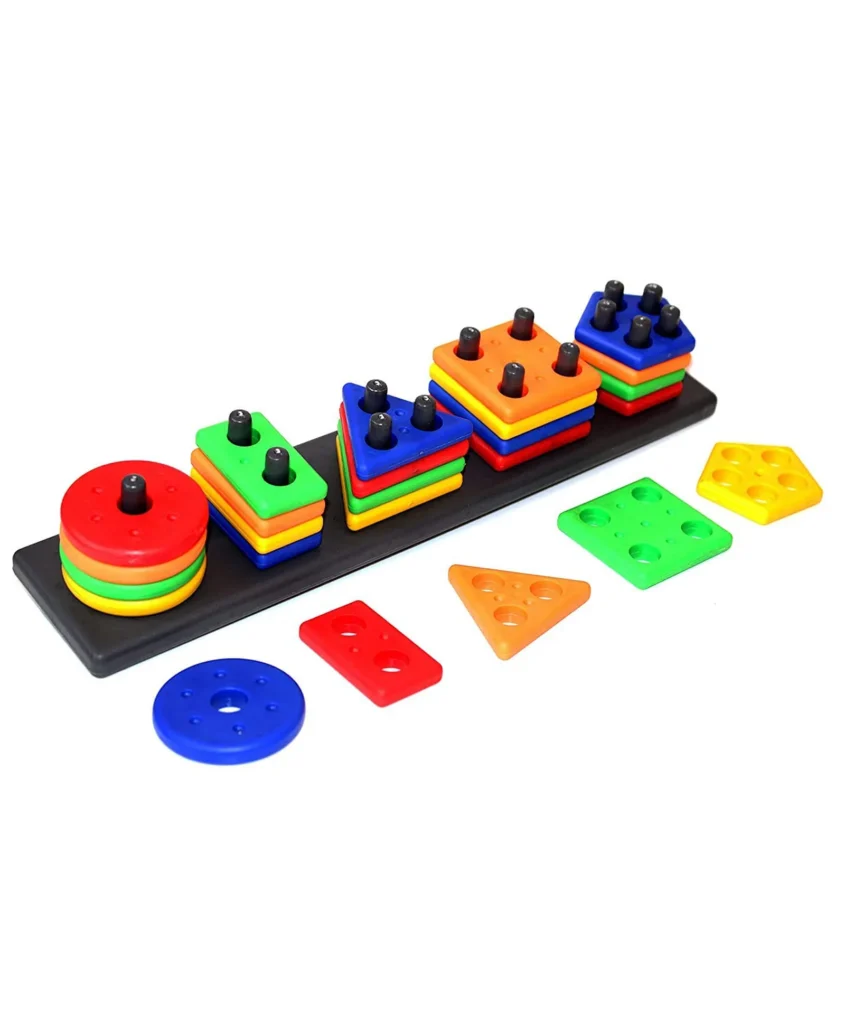
The kids’ educational learning kits for your kids industry is booming, driven by growing parental awareness, the importance of activity-based learning, and a shift towards more engaging educational experiences for children. On the surface, the business looks fun and rewarding—designing colorful kits filled with puzzles, crafts, and activities that help children learn through play. But beneath the surface lies a world of struggles and secrets that business owners don’t always share.
If you’re thinking of entering this market or simply curious about what goes on behind the scenes, here are 10 things business owners don’t tell you about selling kids’ educational kits.
1. It’s Harder to Build Trust with Parents Than You Think
Parents are extremely cautious about what they buy for their children. They don’t just look at price—they examine safety, credibility, and educational value. Convincing a parent that your kit is worth their money requires more than flashy packaging; it takes strong branding, certifications, customer testimonials, and sometimes years of reputation-building. Most new businesses underestimate just how hard kits for your kids is to earn parental trust.
2. Customer Acquisition Costs Are Shockingly High
Selling kids’ educational learning kits for your kids is not like selling everyday household items. Parents need to be educated, reassured, and often convinced through multiple touchpoints before making a purchase. This means investing heavily in digital marketing, social media ads, influencer partnerships, and content creation. The cost of acquiring a single customer (CAC) can be higher than expected, and without repeat purchases, profitability becomes a huge challenge.
3. Pricing Is a Constant Battle
Many people assume you can set a price based on production cost plus margin, but it’s not that simple. Parents want kits for your kids affordability but also demand top-quality materials and safe, non-toxic, eco-friendly packaging. Kits for your kids balancing these expectations is tough, especially in markets where buyers are highly price-sensitive. Business owners often struggle between lowering prices to attract customers and maintaining margins to survive.
4. Supply Chain Management Is a Nightmare
Educational learning kits for your kids typically include multiple components—craft supplies, activity books, worksheets, toys, and sometimes even digital add-ons. Coordinating the production, packaging, and delivery of these diverse elements is far more complicated than it looks. One delayed shipment or a missing component can disrupt the entire process, resulting in delays, unhappy customers, and increased costs.
5. Safety Standards Can Keep You Awake at Night
Unlike other consumer products, kids’ educational learning kits for your kids must meet stringent safety regulations. Every material used has to be safe, non-toxic, and free from choking hazards. Certification processes can be lengthy and expensive, and a single lapse in quality control can lead to product recalls or legal issues. Business owners rarely talk about how stressful and time-consuming compliance really is.
6. Retaining Customers Is Much Harder Than Attracting Them
Parents may purchase one or two kits out of curiosity, but turning them into repeat customers is far from easy. Educational kits are not daily essentials—they’re occasional purchases. Unless businesses create subscription models, continuous engagement, or offer new themes frequently, retention rates remain low. Many entrepreneurs discover too late that building customer loyalty is harder than initial sales.
7. Competing with Digital Alternatives Is an Ongoing Battle
While hands-on Educational learning kits for your kids is beneficial, parents and children are often drawn to digital learning apps and platforms. They’re cheaper, accessible anywhere, and instantly engaging. Selling physical kits in a digital-first world requires constant effort to highlight the benefits of screen-free learning. Business owners don’t always share how much they struggle against the allure of digital alternatives.
8. Logistics and Returns Eat into Profits
Shipping bulky educational learning kits safely is a logistical headache. Sturdy, eco-friendly packaging increases costs, and shipping delays can ruin customer experiences. On top of that, returns—whether due to damaged kits, missing items, or dissatisfaction—are costly. Handling replacements, refunds, and reverse logistics silently eats into profit margins, something few owners openly admit.
9. Innovation Is Expensive but Necessary
Children’s needs change quickly as they grow, which means kits have a short shelf life. What works for a 4-year-old won’t engage an 8-year-old. To stay relevant, businesses must constantly innovate, design new kits, and follow educational trends like STEM, robotics, and sustainability. But innovation requires skilled designers, educators, and heavy R&D investments. It’s one of the biggest hidden struggles of the industry.
10. It’s Emotionally and Financially Draining
From managing cash flow and marketing expenses to handling unhappy customers and competing against big brands, running a kids’ educational kit business can be exhausting. While the mission is rewarding—helping children learn and grow—the day-to-day struggles often drain business owners emotionally and financially. Many entrepreneurs keep these struggles quiet to maintain a positive public image.
Conclusion
Selling kids’ educational learning kits for your kids may look like a dream business—fun, meaningful, and impactful. But the truth is, it comes with significant challenges that most business owners don’t openly share. Building trust, managing costs, ensuring safety, staying innovative, and competing with digital alternatives require resilience and continuous effort.
For aspiring entrepreneurs, knowing these hidden struggles beforehand can make all the difference. By preparing for the realities behind the scenes, you can build strategies to overcome them and create a brand that not only survives but thrives in this competitive market